Frequently Asked Questions
What is the QBI deduction?
The QBI deduction is a tax benefit that allows eligible taxpayers to deduct up to 20% of their qualified business income, enhancing potential tax savings for individuals and businesses under the Tax Cuts and Jobs Act.
How does the QBI deduction work?
The QBI deduction allows eligible taxpayers to deduct up to 20% of their qualified business income from their taxable income, effectively reducing their overall tax liability and promoting business growth.
Who qualifies for the QBI deduction?
The individuals and businesses that qualify for the Qualified Business Income (QBI) deduction include sole proprietors, partnerships, S corporations, and certain trusts and estates, provided they meet specific income thresholds and other eligibility criteria outlined by the IRS.
What are the benefits of the QBI deduction?
The benefits of the QBI deduction include the potential to reduce taxable income by up to 20% for eligible taxpayers, leading to significant tax savings. This deduction is particularly advantageous for sole proprietors and small businesses, enhancing their financial flexibility.
How can I determine my eligibility for the QBI deduction?
Determining eligibility for the QBI deduction involves assessing your qualified business income, the type of business entity, and any applicable income thresholds. Consulting with a tax professional can provide tailored guidance based on your specific situation.
What expenses can be included in the QBI deduction calculation?
The expenses that can be included in the QBI deduction calculation are those directly related to the operation of a qualified trade or business. This typically encompasses ordinary and necessary business expenses such as wages, rent, and supplies.
How does the QBI deduction affect my tax return?
The QBI deduction reduces your taxable income by allowing you to deduct up to 20% of your qualified business income. This can lead to significant tax savings, ultimately lowering your overall tax liability on your return.
What should I consider when claiming the QBI deduction?
When claiming the QBI deduction, it is essential to consider your eligibility based on business structure, income thresholds, and the nature of your qualified business income. Additionally, understanding allowable business expenses is crucial for maximizing your deduction.
What types of income qualify for the QBI deduction?
The types of income that qualify for the QBI deduction include income from sole proprietorships, partnerships, S corporations, and certain trusts and estates. This deduction allows eligible taxpayers to deduct up to 20% of their qualified business income.
How is the QBI deduction calculated?
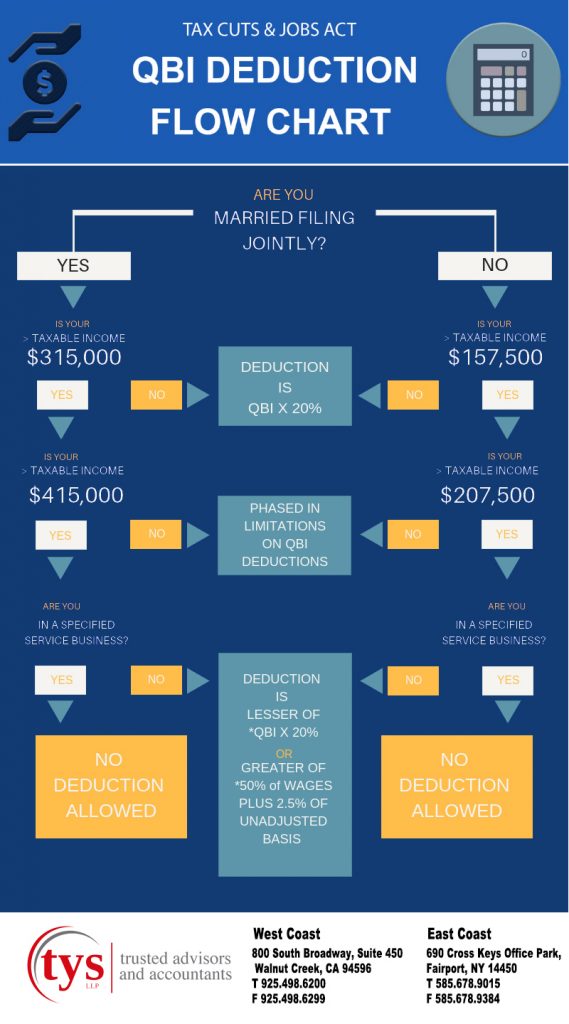
The calculation of the QBI deduction involves determining 20% of qualified business income, subject to various limitations based on taxable income and the nature of the business. Consulting a tax professional is advisable for accurate assessment.
Can businesses with losses claim the QBI deduction?
Businesses with losses cannot claim the Qualified Business Income (QBI) deduction, as the deduction is based on positive qualified business income. Only profitable businesses are eligible to benefit from this tax deduction.
What records do I need for the QBI deduction?
The records needed for the QBI deduction include documentation of qualified business income, expenses, and any relevant tax forms. Maintaining accurate financial records is essential to substantiate your eligibility for this tax benefit.
Are there limitations on the QBI deduction?
The limitations on the QBI deduction include specific income thresholds and restrictions based on the type of business. High-income earners may face reduced deductions, particularly for specified service trades or businesses.
How does the QBI deduction impact self-employment tax?
The impact of the QBI deduction on self-employment tax is that it does not directly reduce the self-employment tax liability itself, but it can lower the taxable income, potentially resulting in overall tax savings for self-employed individuals.
What is the deadline for claiming the QBI deduction?
The deadline for claiming the Qualified Business Income (QBI) deduction aligns with the tax filing deadline. For most taxpayers, this is typically April 15 of the following year, unless an extension is filed.
Can I amend my return for the QBI deduction?
You can amend your return for the Qualified Business Income (QBI) deduction if you initially claimed it incorrectly or did not claim it at all. It is advisable to consult a tax professional to ensure proper filing.
What industries benefit most from the QBI deduction?
The industries that benefit most from the QBI deduction include professional services, real estate, and certain types of manufacturing. These sectors often generate qualified business income, allowing eligible taxpayers to deduct up to 20% of their income.
How does the QBI deduction apply to partnerships?
The QBI deduction applies to partnerships by allowing partners to deduct up to 20% of their share of qualified business income from the partnership. This deduction is subject to specific eligibility criteria and limitations based on income and business type.
What is the role of the IRS in QBI deductions?
The role of the IRS in QBI deductions is to establish and enforce the regulations governing the Qualified Business Income deduction, ensuring compliance and providing guidelines for taxpayers to determine their eligibility and calculate the deduction accurately.
Can I claim the QBI deduction if I have W-2 income?
The eligibility for claiming the QBI deduction with W-2 income is limited. Generally, the QBI deduction applies to qualified business income from pass-through entities, not W-2 wages. Consult a tax professional for personalized guidance.
What changes in tax law affect the QBI deduction?
Changes in tax law that affect the QBI deduction include modifications introduced by the Tax Cuts and Jobs Act, which established the deduction and specified eligibility criteria, as well as subsequent updates that may adjust income thresholds and qualifying business types.
How do state taxes interact with the QBI deduction?
The interaction between state taxes and the QBI deduction is significant. While the federal QBI deduction allows for a reduction of up to 20% on qualified business income, state tax treatment may vary, impacting overall tax liability.
What are common mistakes when claiming the QBI deduction?
Common mistakes when claiming the QBI deduction include miscalculating qualified business income, failing to account for limitations based on taxable income, and not properly identifying eligible business activities. Consulting a tax professional can help avoid these errors.
How can I maximize my QBI deduction?
Maximizing your QBI deduction involves accurately calculating your qualified business income, ensuring all eligible business expenses are deducted, and consulting with a tax professional to navigate complexities specific to your situation.
What is the difference between QBI and regular deductions?
The difference between QBI and regular deductions lies in their application; QBI allows eligible taxpayers to deduct up to 20% of qualified business income, while regular deductions encompass a broader range of expenses related to business operations.
How does the QBI deduction affect my business structure?
The QBI deduction impacts business structure by allowing eligible pass-through entities, such as sole proprietorships, partnerships, and S corporations, to deduct up to 20% of qualified business income, potentially enhancing tax savings and influencing business decisions.
What should I know about QBI deduction audits?
Understanding QBI deduction audits is essential for taxpayers claiming this benefit. Audits may focus on the accuracy of reported income and expenses, so maintaining thorough documentation and consulting a tax professional is crucial for compliance and to minimize risks.
Can I consult a professional for QBI deduction advice?
Consulting a professional for QBI deduction advice is highly recommended. Tax professionals can provide tailored guidance to help you understand your eligibility and maximize potential tax savings related to the Qualified Business Income deduction.
What resources are available for understanding the QBI deduction?
Resources available for understanding the QBI deduction include the IRS website, tax publications, and professional tax advisors. These materials provide comprehensive guidance on eligibility criteria, calculation methods, and potential benefits for taxpayers.
How does the QBI deduction relate to pass-through entities?
The QBI deduction is significant for pass-through entities as it allows owners to deduct up to 20% of their qualified business income, enhancing tax savings while maintaining the flow-through taxation structure of these entities.